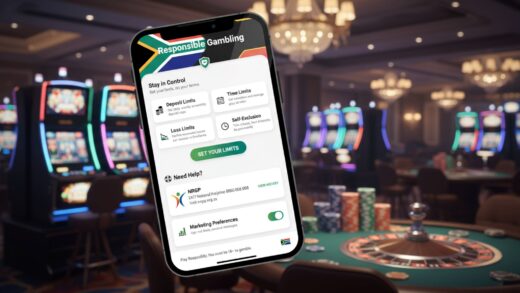
For South African players, the fear of encountering rigged casino games is a legitimate concern that affects millions of online gambling enthusiasts. The country’s unique gambling landscape, combined with a surge in unlicensed operators targeting local players, has created an environment where scams and unfair gaming practices thrive. From fake mobile casino apps circulating in townships to sophisticated online operations that manipulate game outcomes, South African players face distinct risks that require specialized knowledge to navigate safely.
This comprehensive guide provides actionable strategies to identify rigged casino games, understand regulatory frameworks, and protect yourself from common scams targeting South African players. By learning to recognize the warning signs of manipulated games, fake licensing claims, and predatory bonus schemes, you’ll gain the tools needed to distinguish between legitimate casinos with standard house edges and operations that deliberately cheat players out of their money.
Understanding What ‘Rigged’ Means in Casino Gaming
When discussing rigged casino games, it’s essential to distinguish between legitimate gaming mechanics and actual fraud. A rigged game involves deliberate manipulation of outcomes beyond the standard mathematical advantage that casinos are designed to have. This manipulation can occur through fake Random Number Generators (RNGs), misrepresented Return to Player (RTP) percentages, or software that actively prevents players from winning during certain conditions.
Rigged games fundamentally violate the principle of fair gaming by altering the statistical probabilities that players expect when they place their bets. Unlike the transparent house edge that legitimate casinos operate with, rigged games introduce hidden variables that make it impossible for players to make informed decisions about their gambling activities.
The sophistication of rigged games has evolved significantly, with some operations using advanced algorithms to detect when players are ahead and subsequently adjust game outcomes. Others employ fake certification seals or manipulate bonus mechanics to ensure that players can never successfully withdraw their winnings, regardless of their actual game performance.
Understanding these manipulation techniques is crucial for South African players, as the local market has seen an increase in sophisticated scam operations that specifically target players unfamiliar with international gaming standards and regulatory requirements.
House Edge vs Game Manipulation
The house edge represents a legitimate mathematical advantage built into every casino game, ensuring the operator’s long-term profitability while still providing fair winning opportunities for players. This edge is transparent, published, and consistent across all game sessions. For example, a slot machine with a 96% RTP has a 4% house edge, meaning that over time, the casino keeps 4% of all wagers while returning 96% to players as winnings.
Game manipulation, however, involves altering these established probabilities through software modifications, fake RNG systems, or dynamic adjustment of payout rates based on player behavior. Rigged games might display a 96% RTP while actually operating at much lower return rates, or they might use algorithms that track player deposits and adjust winning frequencies accordingly.
The key distinction lies in transparency and consistency. Legitimate house edges are mathematically verifiable and remain constant regardless of external factors, while rigged systems introduce variables designed to maximize operator profits at the expense of fair play and player trust.
Overview of Gambling Regulation in South Africa
South Africa’s gambling regulation operates through a complex framework involving the National Gambling Board (NGB) at the federal level and nine provincial gambling boards that oversee regional operations. The National Gambling Act of 2004 established the legal foundation for gambling activities, but online gambling remains largely prohibited for operators based within South Africa, creating a regulatory gap that offshore operators often exploit.
This regulatory structure means that South African players frequently access international online casinos that operate under foreign licenses, making it challenging to distinguish between legitimate offshore operators and unlicensed scam operations that specifically target local players with no regulatory oversight or player protection mechanisms.
Core Signs of Rigged or Unfair Casino Games
Recognizing rigged casino games requires vigilance and knowledge of specific warning signs that indicate unfair gaming practices. These red flags often appear in combination, creating patterns that experienced players can identify before risking significant amounts of money.
The following indicators represent the most reliable methods for spotting rigged or fraudulent casino operations, particularly those targeting South African players who may be unfamiliar with international gaming standards and regulatory requirements.
- Missing or fake gambling licenses with no verifiable regulatory oversight
- Unknown or suspicious game providers with no established industry reputation
- Unrealistic bonus offers with impossible wagering requirements or hidden terms
- Consistent withdrawal delays or refusal to process legitimate payout requests
- Absence of RNG certification or fake audit seals from non-existent testing laboratories
- Unusual game behavior including impossible losing streaks or sudden pattern changes
- No published RTP information or claims of unusually high return percentages
- Poor customer service response or inability to provide clear answers about gaming policies
Why Each Sign Matters: Player Risks
Each warning sign represents a specific vulnerability that rigged casino operations exploit to steal player funds or manipulate gaming outcomes. Missing licenses indicate a complete absence of regulatory oversight, meaning players have no recourse when disputes arise or when operators simply disappear with deposited funds. Fake game providers often use software that appears legitimate but contains hidden algorithms designed to prevent significant payouts.
Unrealistic bonuses serve as bait to attract deposits, but their terms are structured to make withdrawal impossible, effectively converting player deposits into operator profits through deceptive marketing. Withdrawal delays represent one of the most direct forms of theft, as operators collect deposits immediately but find excuses to avoid paying legitimate winnings.
The absence of proper RNG certification means that game outcomes may be predetermined or manipulated in real-time, making it impossible for players to receive fair gaming sessions. These risks compound when operators target specific demographics, such as South African players who may have limited experience with international gaming regulations and standards.
How to Check Casino Licensing in South Africa
Verifying casino licensing represents the first and most critical step in avoiding rigged casino games. South African players must navigate a complex landscape of local regulations and international licensing jurisdictions to identify legitimate operators.
The verification process involves checking multiple sources and understanding the difference between legitimate regulatory oversight and fake licensing claims that fraudulent operators commonly use to appear credible.
| Required Check | Legit Casino Feature | Red Flag |
|---|---|---|
| License Verification | Clickable license badge linking to regulator website | Static image or non-functional license display |
| Regulatory Contact | Clear contact information for licensing authority | Vague references to regulation with no specific details |
| License Number | Specific license number verifiable through regulator | Missing license number or unverifiable credentials |
| Jurisdiction Clarity | Clear indication of regulatory jurisdiction and laws | Confusing or multiple contradictory jurisdiction claims |
| Compliance Documentation | Available terms of service and compliance policies | Missing or incomplete legal documentation |
Spotting Fake or Misleading License Claims
Fraudulent casino operators frequently display fake licensing badges or make misleading claims about regulatory oversight to appear legitimate to South African players. Genuine licensing badges are always clickable and link directly to the regulator’s website, where players can verify the operator’s license status and view specific compliance requirements.
Fake badges typically appear as static images that don’t link anywhere, or they may link to convincing but fraudulent websites designed to mimic legitimate regulatory authorities. Always verify licensing claims by visiting the regulator’s official website independently and searching for the operator’s name in their licensed operator database.
Regulatory Bodies Operating in SA
- National Gambling Board (NGB) – Primary federal regulator for land-based and limited online gambling activities within South Africa
- Malta Gaming Authority (MGA) – Most respected European regulator accepting South African players through international licenses
- UK Gambling Commission (UKGC) – Highly regarded international regulator with strict player protection standards
- Curacao Gaming Authority – Common offshore regulator with varying enforcement standards requiring careful verification
- Gibraltar Gambling Commission – Reputable European regulator with strong oversight mechanisms for international operations
The Role and Importance of RNG and RTP Certification
Random Number Generator (RNG) and Return to Player (RTP) certification form the foundation of fair gaming in legitimate casino operations. RNG systems ensure that game outcomes are genuinely random and cannot be predicted or manipulated, while RTP certification verifies that games return the advertised percentage of wagers to players over time.
Independent testing laboratories audit these systems regularly to maintain certification validity, providing players with assurance that games operate according to published specifications. Without proper certification, players have no guarantee that games provide fair winning opportunities or that published RTPs reflect actual game performance.
| Certification | What to Look For | Warning Sign |
|---|---|---|
| RNG Testing | Certificates from eCOGRA, iTech Labs, or GLI | No certification or fake lab credentials |
| RTP Verification | Published RTP rates with audit documentation | Hidden RTP information or unrealistic claims |
| Certificate Validity | Current certification dates and renewal schedules | Expired certificates or missing validity dates |
| Testing Frequency | Regular monthly or quarterly testing cycles | One-time testing or irregular audit schedules |
| Lab Recognition | ISO certified testing laboratories | Unknown or unaccredited testing companies |
Auditing Labs: Who Certifies Fairness?
- eCOGRA (eCommerce Online Gaming Regulation and Assurance) – Industry-leading certification body with comprehensive RNG and RTP testing protocols
- iTech Labs – Australian-based laboratory specializing in gaming software certification and compliance testing for international markets
- Gaming Laboratories International (GLI) – Global testing organization providing certification services for both land-based and online gaming operations
- Technical Systems Testing (TST) – North American laboratory offering specialized testing services for online casino software and systems
- Gaming Associates – Independent testing facility focusing on compliance verification and software audit services for regulated gaming markets
Reviewing Game Providers: Trusted vs Fake Studios
Game providers represent the backbone of casino operations, developing the software that determines whether players receive fair gaming experiences or fall victim to rigged systems. Established providers like NetEnt, Microgaming, and Playtech have built reputations over decades through consistent fair play practices, regular auditing, and transparent business operations.
Fake or suspicious studios often mimic the appearance of established providers while using manipulated software designed to prevent significant payouts. These operations frequently target South African players who may be unfamiliar with legitimate provider names and industry standards, using convincing graphics and professional-appearing websites to mask fraudulent gaming systems.
The difference between trusted and fake studios extends beyond software quality to include business practices, regulatory compliance, and player protection measures. Legitimate providers maintain relationships with multiple regulated casinos, undergo regular third-party auditing, and provide transparent information about their games’ mathematical properties.
Understanding these distinctions enables South African players to avoid casinos that rely on fake or manipulated gaming software, significantly reducing the risk of encountering rigged games or fraudulent operations that specifically target local players through deceptive marketing and fake legitimacy claims.
Red Flags With Unknown Providers
- Provider names that closely mimic established studios with slight spelling variations or similar branding
- Absence of verifiable company information, including registration details, physical addresses, or executive team information
- Games that appear to be unauthorized copies or modifications of popular titles from legitimate providers
- Lack of third-party certification or audit documentation for RNG and RTP verification
- Limited distribution with games appearing only on unlicensed or suspicious casino websites
How to Research a Studio’s Track Record
Researching game provider credentials requires examining multiple information sources to build a complete picture of their legitimacy and industry standing. Start by searching for the provider’s official website and verifying their business registration information, including company addresses, licensing details, and executive team backgrounds.
Cross-reference provider claims with independent industry databases and gaming authority records to confirm their regulatory status and compliance history. Legitimate providers typically maintain transparent relationships with multiple regulated casinos and provide easily accessible information about their audit certifications and testing procedures.
Bonuses, Promotions, and the Unfair Trap
Casino bonuses represent one of the most effective tools that rigged operations use to attract South African players, often advertising unrealistic offers with hidden terms designed to make withdrawal impossible. These promotional traps typically involve massive bonus amounts paired with wagering requirements that are mathematically impossible to complete within specified timeframes.
Understanding how to evaluate bonus terms prevents players from falling into these promotional traps while identifying legitimate offers from reputable operators. Fair bonus structures provide clear pathways to withdrawal while maintaining reasonable requirements that skilled players can realistically achieve.
- Examine wagering requirements carefully, looking for realistic completion timeframes and achievable multipliers
- Verify which games contribute to wagering requirements and identify any restrictions on high-RTP games
- Check for maximum bet limitations during bonus play that might make requirement completion impossible
- Review withdrawal restrictions including minimum and maximum payout limits during bonus periods
- Investigate time limits for bonus completion and ensure they provide adequate opportunity for requirement fulfillment
- Confirm bonus terms are clearly stated in accessible language without hidden clauses or contradictory requirements
How to Verify Fair Bonus Terms
| Promotion Feature | Fair Practice | Trap Example |
|---|---|---|
| Wagering Requirements | 20x-40x bonus amount with reasonable timeframe | 100x+ requirements with 24-hour completion limit |
| Game Restrictions | Most slots contribute 100% to requirements | Only low-RTP games count toward completion |
| Maximum Bet Limits | R25-50 maximum bet during bonus play | R5 maximum bet making completion impossible |
| Withdrawal Caps | No cap or reasonable maximum like R50,000 | R500 maximum withdrawal regardless of winnings |
Game and Payment Transparency: Signs of a Scam
Transparency in gaming rules and payment processes serves as a reliable indicator of casino legitimacy, with reputable operators providing clear information about all aspects of their services. Scam operations typically obscure important details about game mechanics, payout procedures, and fee structures to hide unfair practices from players until after deposits are made.
| Transparency Factor | Pros (Legit Casino) | Cons (Rigged/Scam) |
|---|---|---|
| Game Rules | Complete rule explanations with RTP display | Vague rules with hidden game mechanics |
| Payment Methods | Multiple recognized payment options | Limited or suspicious payment methods only |
| Withdrawal Processing | Clear timelines and reasonable processing fees | Vague processing times with hidden fees |
| Customer Support | Multiple contact methods with responsive service | Limited contact options with poor response |
| Terms of Service | Comprehensive, clearly written policies | Confusing or contradictory terms |
| Account Verification | Standard KYC procedures clearly explained | Excessive or unusual documentation demands |
Checking Reviews and Player Reports
- AskGamblers and similar independent review platforms that aggregate player experiences and ratings
- South African gambling forums where local players share experiences with specific operators and games
- Trustpilot and consumer review sites that provide verified customer feedback about casino operations
- Social media groups focused on online gambling where players discuss recent experiences and warnings
- Regulatory authority databases that may contain complaint records or enforcement actions against operators
Withdrawal Hold-ups and Fine Print
Withdrawal delays represent one of the most common tactics used by rigged casino operations to avoid paying legitimate winnings to South African players. These delays often involve excessive verification requirements that go far beyond standard Know Your Customer (KYC) procedures, creating bureaucratic obstacles designed to frustrate players into abandoning their withdrawal requests.
Common stalling tactics include requests for unusual documentation, repeated requests for the same information, and sudden implementation of new withdrawal policies that weren’t disclosed during account registration. Legitimate operators process withdrawals within published timeframes and maintain consistent policies that don’t change based on player winning streaks or withdrawal amounts.
Extra Caution: Avoiding Common Casino Scams in SA
South African players face unique scam risks that reflect local market conditions and cultural factors that fraudulent operators exploit. These scams often target specific communities through mobile apps, social media advertising, and word-of-mouth marketing in townships and rural areas where internet literacy and international gaming experience may be limited.
The sophistication of these regional scams has increased significantly, with operators creating convincing mobile applications that mimic legitimate casino experiences while actually running predetermined outcomes designed to collect deposits without providing fair gaming opportunities.
- Avoid mobile casino apps distributed outside official app stores, particularly those promoted through SMS or social media advertising
- Be suspicious of casino promotions targeting specific South African communities with culturally targeted marketing
- Never provide banking information to casinos that request unusual account access or authorization beyond standard deposit procedures
- Reject offers from door-to-door promoters or local agents claiming to represent international casino operations
- Avoid casinos that accept only cash deposits through local agents or informal payment networks
- Question operators who promise guaranteed winnings or claim to have “insider knowledge” of game outcomes
- Research any casino heavily advertised on local radio stations or community bulletin boards before depositing
- Be cautious of operators who pressure immediate deposits or claim limited-time offers that create artificial urgency
Reporting and Recourse Options for Victims
South African players who fall victim to rigged casino games or fraudulent operators have several reporting options, though recovery of funds can be challenging when dealing with unlicensed international operations. The National Gambling Board maintains a complaint system for gambling-related issues, while the South African Reserve Bank handles complaints related to unauthorized financial services that some casino scams may involve.
Additionally, players should report suspected fraud to local police services and consider contacting their banks to dispute unauthorized transactions or to implement protective measures on compromised accounts. While recovery success varies significantly depending on the specific circumstances and operator location, reporting these incidents helps authorities track patterns and potentially prevent other players from falling victim to similar scams.